Kind solace in a dying hour!
Such, father, is not (now) my theme-
I will not madly deem that power
Of Earth may shrive me of the sin
Unearthly pride hath revell'd in-
I have no time to dote or dream:
You call it hope- that fire of fire!
It is but agony of desire:
If I can hope- Oh God! I can-
Its fount is holier- more divine-
I would not call thee fool, old man,
But such is not a gift of thine.
Know thou the secret of a spirit
Bow'd from its wild pride into shame.
O yearning heart! I did inherit
Thy withering portion with the fame,
The searing glory which hath shone
Amid the jewels of my throne,
Halo of Hell! and with a pain
Not Hell shall make me fear again-
O craving heart, for the lost flowers
And sunshine of my summer hours!
The undying voice of that dead time,
With its interminable chime,
Rings, in the spirit of a spell,
Upon thy emptiness- a knell.
I have not always been as now:
The fever'd diadem on my brow
I claim'd and won usurpingly-
Hath not the same fierce heirdom given
Rome to the Caesar- this to me?
The heritage of a kingly mind,
And a proud spirit which hath striven
Triumphantly with human kind.
On mountain soil I first drew life:
The mists of the Taglay have shed
Nightly their dews upon my head,
And, I believe, the winged strife
And tumult of the headlong air
Have nestled in my very hair.
So late from Heaven- that dew- it fell
(Mid dreams of an unholy night)
Upon me with the touch of Hell,
While the red flashing of the light
From clouds that hung, like banners, o'er,
Appeared to my half-closing eye
The pageantry of monarchy,
And the deep trumpet-thunder's roar
Came hurriedly upon me, telling
Of human battle, where my voice,
My own voice, silly child!- was swelling
(O! how my spirit would rejoice,
And leap within me at the cry)
The battle-cry of Victory!
The rain came down upon my head
Unshelter'd- and the heavy wind
Rendered me mad and deaf and blind.
It was but man, I thought, who shed
Laurels upon me: and the rush-
The torrent of the chilly air
Gurgled within my ear the crush
Of empires- with the captive's prayer-
The hum of suitors- and the tone
Of flattery 'round a sovereign's throne.
My passions, from that hapless hour,
Usurp'd a tyranny which men
Have deem'd, since I have reach'd to power,
My innate nature- be it so:
But father, there liv'd one who, then,
Then- in my boyhood- when their fire
Burn'd with a still intenser glow,
(For passion must, with youth, expire)
E'en then who knew this iron heart
In woman's weakness had a part.
I have no words- alas!- to tell
The loveliness of loving well!
Nor would I now attempt to trace
The more than beauty of a face
Whose lineaments, upon my mind,
Are- shadows on th' unstable wind:
Thus I remember having dwelt
Some page of early lore upon,
With loitering eye, till I have felt
The letters- with their meaning- melt
To fantasies- with none.
O, she was worthy of all love!
Love- as in infancy was mine-
'Twas such as angel minds above
Might envy; her young heart the shrine
On which my every hope and thought
Were incense- then a goodly gift,
For they were childish and upright-
Pure- as her young example taught:
Why did I leave it, and, adrift,
Trust to the fire within, for light?
We grew in age- and love- together,
Roaming the forest, and the wild;
My breast her shield in wintry weather-
And when the friendly sunshine smil'd,
And she would mark the opening skies,
I saw no Heaven- but in her eyes.
Young Love's first lesson is- the heart:
For 'mid that sunshine, and those smiles,
When, from our little cares apart,
And laughing at her girlish wiles,
I'd throw me on her throbbing breast,
And pour my spirit out in tears-
There was no need to speak the rest-
No need to quiet any fears
Of her- who ask'd no reason why,
But turn'd on me her quiet eye!
Yet more than worthy of the love
My spirit struggled with, and strove,
When, on the mountain peak, alone,
Ambition lent it a new tone-
I had no being- but in thee:
The world, and all it did contain
In the earth- the air- the sea-
Its joy- its little lot of pain
That was new pleasure- the ideal,
Dim vanities of dreams by night-
And dimmer nothings which were real-
(Shadows- and a more shadowy light!)
Parted upon their misty wings,
And, so, confusedly, became
Thine image, and- a name- a name!
Two separate- yet most intimate things.
I was ambitious- have you known
The passion, father? You have not:
A cottager, I mark'd a throne
Of half the world as all my own,
And murmur'd at such lowly lot-
But, just like any other dream,
Upon the vapour of the dew
My own had past, did not the beam
Of beauty which did while it thro'
The minute- the hour- the day- oppress
My mind with double loveliness.
We walk'd together on the crown
Of a high mountain which look'd down
Afar from its proud natural towers
Of rock and forest, on the hills-
The dwindled hills! begirt with bowers,
And shouting with a thousand rills.
I spoke to her of power and pride,
But mystically- in such guise
That she might deem it nought beside
The moment's converse; in her eyes
I read, perhaps too carelessly-
A mingled feeling with my own-
The flush on her bright cheek, to me
Seem'd to become a queenly throne
Too well that I should let it be
Light in the wilderness alone.
I wrapp'd myself in grandeur then,
And donn'd a visionary crown-
Yet it was not that Fantasy
Had thrown her mantle over me-
But that, among the rabble- men,
Lion ambition is chained down-
And crouches to a keeper's hand-
Not so in deserts where the grand-
The wild- the terrible conspire
With their own breath to fan his fire.
Look 'round thee now on Samarcand!
Is not she queen of Earth? her pride
Above all cities? in her hand
Their destinies? in all beside
Of glory which the world hath known
Stands she not nobly and alone?
Falling- her veriest stepping-stone
Shall form the pedestal of a throne-
And who her sovereign? Timour- he
Whom the astonished people saw
Striding o'er empires haughtily
A diadem'd outlaw!
O, human love! thou spirit given
On Earth, of all we hope in Heaven!
Which fall'st into the soul like rain
Upon the Siroc-wither'd plain,
And, failing in thy power to bless,
But leav'st the heart a wilderness!
Idea! which bindest life around
With music of so strange a sound,
And beauty of so wild a birth-
Farewell! for I have won the Earth.
When Hope, the eagle that tower'd, could see
No cliff beyond him in the sky,
His pinions were bent droopingly-
And homeward turn'd his soften'd eye.
'Twas sunset: when the sun will part
There comes a sullenness of heart
To him who still would look upon
The glory of the summer sun.
That soul will hate the ev'ning mist,
So often lovely, and will list
To the sound of the coming darkness (known
To those whose spirits hearken) as one
Who, in a dream of night, would fly
But cannot from a danger nigh.
What tho' the moon- the white moon
Shed all the splendour of her noon,
Her smile is chilly, and her beam,
In that time of dreariness, will seem
(So like you gather in your breath)
A portrait taken after death.
And boyhood is a summer sun
Whose waning is the dreariest one-
For all we live to know is known,
And all we seek to keep hath flown-
Let life, then, as the day-flower, fall
With the noon-day beauty- which is all.
I reach'd my home- my home no more
For all had flown who made it so.
I pass'd from out its mossy door,
And, tho' my tread was soft and low,
A voice came from the threshold stone
Of one whom I had earlier known-
O, I defy thee, Hell, to show
On beds of fire that burn below,
A humbler heart- a deeper woe.
Father, I firmly do believe-
I know- for Death, who comes for me
From regions of the blest afar,
Where there is nothing to deceive,
Hath left his iron gate ajar,
And rays of truth you cannot see
Are flashing thro' Eternity-
I do believe that Eblis hath
A snare in every human path-
Else how, when in the holy grove
I wandered of the idol, Love,
Who daily scents his snowy wings
With incense of burnt offerings
From the most unpolluted things,
Whose pleasant bowers are yet so riven
Above with trellis'd rays from Heaven,
No mote may shun- no tiniest fly-
The lightning of his eagle eye-
How was it that Ambition crept,
Unseen, amid the revels there,
Till growing bold, he laughed and leapt
In the tangles of Love's very hair?
Edgar Allan Poe
Kind solace in a dying hour!
Such, father, is not (now) my theme-
I will not madly deem that power
Of Earth may shrive me of the sin
Unearthly pride hath revell'd in-
I have no time to dote or dream:
You call it hope- that fire of fire!
It is but agony of desire:
If I can hope- Oh God! I can-
Its fount is holier- more divine-
I would not call thee fool, old man,
But such is not a gift of thine.
Know thou the secret of a spirit
Bow'd from its wild pride into shame.
O yearning heart! I did inherit
Thy withering portion with the fame,
The searing glory which hath shone
Amid the jewels of my throne,
Halo of Hell! and with a pain
Not Hell shall make me fear again-
O craving heart, for the lost flowers
And sunshine of my summer hours!
The undying voice of that dead time,
With its interminable chime,
Rings, in the spirit of a spell,
Upon thy emptiness- a knell.
I have not always been as now:
The fever'd diadem on my brow
I claim'd and won usurpingly-
Hath not the same fierce heirdom given
Rome to the Caesar- this to me?
The heritage of a kingly mind,
And a proud spirit which hath striven
Triumphantly with human kind.
On mountain soil I first drew life:
The mists of the Taglay have shed
Nightly their dews upon my head,
And, I believe, the winged strife
And tumult of the headlong air
Have nestled in my very hair.
So late from Heaven- that dew- it fell
(Mid dreams of an unholy night)
Upon me with the touch of Hell,
While the red flashing of the light
From clouds that hung, like banners, o'er,
Appeared to my half-closing eye
The pageantry of monarchy,
And the deep trumpet-thunder's roar
Came hurriedly upon me, telling
Of human battle, where my voice,
My own voice, silly child!- was swelling
(O! how my spirit would rejoice,
And leap within me at the cry)
The battle-cry of Victory!
The rain came down upon my head
Unshelter'd- and the heavy wind
Rendered me mad and deaf and blind.
It was but man, I thought, who shed
Laurels upon me: and the rush-
The torrent of the chilly air
Gurgled within my ear the crush
Of empires- with the captive's prayer-
The hum of suitors- and the tone
Of flattery 'round a sovereign's throne.
My passions, from that hapless hour,
Usurp'd a tyranny which men
Have deem'd, since I have reach'd to power,
My innate nature- be it so:
But father, there liv'd one who, then,
Then- in my boyhood- when their fire
Burn'd with a still intenser glow,
(For passion must, with youth, expire)
E'en then who knew this iron heart
In woman's weakness had a part.
I have no words- alas!- to tell
The loveliness of loving well!
Nor would I now attempt to trace
The more than beauty of a face
Whose lineaments, upon my mind,
Are- shadows on th' unstable wind:
Thus I remember having dwelt
Some page of early lore upon,
With loitering eye, till I have felt
The letters- with their meaning- melt
To fantasies- with none.
O, she was worthy of all love!
Love- as in infancy was mine-
'Twas such as angel minds above
Might envy; her young heart the shrine
On which my every hope and thought
Were incense- then a goodly gift,
For they were childish and upright-
Pure- as her young example taught:
Why did I leave it, and, adrift,
Trust to the fire within, for light?
We grew in age- and love- together,
Roaming the forest, and the wild;
My breast her shield in wintry weather-
And when the friendly sunshine smil'd,
And she would mark the opening skies,
I saw no Heaven- but in her eyes.
Young Love's first lesson is- the heart:
For 'mid that sunshine, and those smiles,
When, from our little cares apart,
And laughing at her girlish wiles,
I'd throw me on her throbbing breast,
And pour my spirit out in tears-
There was no need to speak the rest-
No need to quiet any fears
Of her- who ask'd no reason why,
But turn'd on me her quiet eye!
Yet more than worthy of the love
My spirit struggled with, and strove,
When, on the mountain peak, alone,
Ambition lent it a new tone-
I had no being- but in thee:
The world, and all it did contain
In the earth- the air- the sea-
Its joy- its little lot of pain
That was new pleasure- the ideal,
Dim vanities of dreams by night-
And dimmer nothings which were real-
(Shadows- and a more shadowy light!)
Parted upon their misty wings,
And, so, confusedly, became
Thine image, and- a name- a name!
Two separate- yet most intimate things.
I was ambitious- have you known
The passion, father? You have not:
A cottager, I mark'd a throne
Of half the world as all my own,
And murmur'd at such lowly lot-
But, just like any other dream,
Upon the vapour of the dew
My own had past, did not the beam
Of beauty which did while it thro'
The minute- the hour- the day- oppress
My mind with double loveliness.
We walk'd together on the crown
Of a high mountain which look'd down
Afar from its proud natural towers
Of rock and forest, on the hills-
The dwindled hills! begirt with bowers,
And shouting with a thousand rills.
I spoke to her of power and pride,
But mystically- in such guise
That she might deem it nought beside
The moment's converse; in her eyes
I read, perhaps too carelessly-
A mingled feeling with my own-
The flush on her bright cheek, to me
Seem'd to become a queenly throne
Too well that I should let it be
Light in the wilderness alone.
I wrapp'd myself in grandeur then,
And donn'd a visionary crown-
Yet it was not that Fantasy
Had thrown her mantle over me-
But that, among the rabble- men,
Lion ambition is chained down-
And crouches to a keeper's hand-
Not so in deserts where the grand-
The wild- the terrible conspire
With their own breath to fan his fire.
Look 'round thee now on Samarcand!
Is not she queen of Earth? her pride
Above all cities? in her hand
Their destinies? in all beside
Of glory which the world hath known
Stands she not nobly and alone?
Falling- her veriest stepping-stone
Shall form the pedestal of a throne-
And who her sovereign? Timour- he
Whom the astonished people saw
Striding o'er empires haughtily
A diadem'd outlaw!
O, human love! thou spirit given
On Earth, of all we hope in Heaven!
Which fall'st into the soul like rain
Upon the Siroc-wither'd plain,
And, failing in thy power to bless,
But leav'st the heart a wilderness!
Idea! which bindest life around
With music of so strange a sound,
And beauty of so wild a birth-
Farewell! for I have won the Earth.
When Hope, the eagle that tower'd, could see
No cliff beyond him in the sky,
His pinions were bent droopingly-
And homeward turn'd his soften'd eye.
'Twas sunset: when the sun will part
There comes a sullenness of heart
To him who still would look upon
The glory of the summer sun.
That soul will hate the ev'ning mist,
So often lovely, and will list
To the sound of the coming darkness (known
To those whose spirits hearken) as one
Who, in a dream of night, would fly
But cannot from a danger nigh.
What tho' the moon- the white moon
Shed all the splendour of her noon,
Her smile is chilly, and her beam,
In that time of dreariness, will seem
(So like you gather in your breath)
A portrait taken after death.
And boyhood is a summer sun
Whose waning is the dreariest one-
For all we live to know is known,
And all we seek to keep hath flown-
Let life, then, as the day-flower, fall
With the noon-day beauty- which is all.
I reach'd my home- my home no more
For all had flown who made it so.
I pass'd from out its mossy door,
And, tho' my tread was soft and low,
A voice came from the threshold stone
Of one whom I had earlier known-
O, I defy thee, Hell, to show
On beds of fire that burn below,
A humbler heart- a deeper woe.
Father, I firmly do believe-
I know- for Death, who comes for me
From regions of the blest afar,
Where there is nothing to deceive,
Hath left his iron gate ajar,
And rays of truth you cannot see
Are flashing thro' Eternity-
I do believe that Eblis hath
A snare in every human path-
Else how, when in the holy grove
I wandered of the idol, Love,
Who daily scents his snowy wings
With incense of burnt offerings
From the most unpolluted things,
Whose pleasant bowers are yet so riven
Above with trellis'd rays from Heaven,
No mote may shun- no tiniest fly-
The lightning of his eagle eye-
How was it that Ambition crept,
Unseen, amid the revels there,
Till growing bold, he laughed and leapt
In the tangles of Love's very hair?
Edgar Allan Poe
Tuesday, April 23, 2013
Tamerlane Kind solace in a dying hour!
Such, father, is not (now) my theme-
I will not madly deem that power
Of Earth may shrive me of the sin
Unearthly pride hath revell'd in-
I have no time to dote or dream:
You call it hope- that fire of fire!
It is but agony of desire:
If I can hope- Oh God! I can-
Its fount is holier- more divine-
I would not call thee fool, old man,
But such is not a gift of thine.
Know thou the secret of a spirit
Bow'd from its wild pride into shame.
O yearning heart! I did inherit
Thy withering portion with the fame,
The searing glory which hath shone
Amid the jewels of my throne,
Halo of Hell! and with a pain
Not Hell shall make me fear again-
O craving heart, for the lost flowers
And sunshine of my summer hours!
The undying voice of that dead time,
With its interminable chime,
Rings, in the spirit of a spell,
Upon thy emptiness- a knell.
I have not always been as now:
The fever'd diadem on my brow
I claim'd and won usurpingly-
Hath not the same fierce heirdom given
Rome to the Caesar- this to me?
The heritage of a kingly mind,
And a proud spirit which hath striven
Triumphantly with human kind.
On mountain soil I first drew life:
The mists of the Taglay have shed
Nightly their dews upon my head,
And, I believe, the winged strife
And tumult of the headlong air
Have nestled in my very hair.
So late from Heaven- that dew- it fell
(Mid dreams of an unholy night)
Upon me with the touch of Hell,
While the red flashing of the light
From clouds that hung, like banners, o'er,
Appeared to my half-closing eye
The pageantry of monarchy,
And the deep trumpet-thunder's roar
Came hurriedly upon me, telling
Of human battle, where my voice,
My own voice, silly child!- was swelling
(O! how my spirit would rejoice,
And leap within me at the cry)
The battle-cry of Victory!
The rain came down upon my head
Unshelter'd- and the heavy wind
Rendered me mad and deaf and blind.
It was but man, I thought, who shed
Laurels upon me: and the rush-
The torrent of the chilly air
Gurgled within my ear the crush
Of empires- with the captive's prayer-
The hum of suitors- and the tone
Of flattery 'round a sovereign's throne.
My passions, from that hapless hour,
Usurp'd a tyranny which men
Have deem'd, since I have reach'd to power,
My innate nature- be it so:
But father, there liv'd one who, then,
Then- in my boyhood- when their fire
Burn'd with a still intenser glow,
(For passion must, with youth, expire)
E'en then who knew this iron heart
In woman's weakness had a part.
I have no words- alas!- to tell
The loveliness of loving well!
Nor would I now attempt to trace
The more than beauty of a face
Whose lineaments, upon my mind,
Are- shadows on th' unstable wind:
Thus I remember having dwelt
Some page of early lore upon,
With loitering eye, till I have felt
The letters- with their meaning- melt
To fantasies- with none.
O, she was worthy of all love!
Love- as in infancy was mine-
'Twas such as angel minds above
Might envy; her young heart the shrine
On which my every hope and thought
Were incense- then a goodly gift,
For they were childish and upright-
Pure- as her young example taught:
Why did I leave it, and, adrift,
Trust to the fire within, for light?
We grew in age- and love- together,
Roaming the forest, and the wild;
My breast her shield in wintry weather-
And when the friendly sunshine smil'd,
And she would mark the opening skies,
I saw no Heaven- but in her eyes.
Young Love's first lesson is- the heart:
For 'mid that sunshine, and those smiles,
When, from our little cares apart,
And laughing at her girlish wiles,
I'd throw me on her throbbing breast,
And pour my spirit out in tears-
There was no need to speak the rest-
No need to quiet any fears
Of her- who ask'd no reason why,
But turn'd on me her quiet eye!
Yet more than worthy of the love
My spirit struggled with, and strove,
When, on the mountain peak, alone,
Ambition lent it a new tone-
I had no being- but in thee:
The world, and all it did contain
In the earth- the air- the sea-
Its joy- its little lot of pain
That was new pleasure- the ideal,
Dim vanities of dreams by night-
And dimmer nothings which were real-
(Shadows- and a more shadowy light!)
Parted upon their misty wings,
And, so, confusedly, became
Thine image, and- a name- a name!
Two separate- yet most intimate things.
I was ambitious- have you known
The passion, father? You have not:
A cottager, I mark'd a throne
Of half the world as all my own,
And murmur'd at such lowly lot-
But, just like any other dream,
Upon the vapour of the dew
My own had past, did not the beam
Of beauty which did while it thro'
The minute- the hour- the day- oppress
My mind with double loveliness.
We walk'd together on the crown
Of a high mountain which look'd down
Afar from its proud natural towers
Of rock and forest, on the hills-
The dwindled hills! begirt with bowers,
And shouting with a thousand rills.
I spoke to her of power and pride,
But mystically- in such guise
That she might deem it nought beside
The moment's converse; in her eyes
I read, perhaps too carelessly-
A mingled feeling with my own-
The flush on her bright cheek, to me
Seem'd to become a queenly throne
Too well that I should let it be
Light in the wilderness alone.
I wrapp'd myself in grandeur then,
And donn'd a visionary crown-
Yet it was not that Fantasy
Had thrown her mantle over me-
But that, among the rabble- men,
Lion ambition is chained down-
And crouches to a keeper's hand-
Not so in deserts where the grand-
The wild- the terrible conspire
With their own breath to fan his fire.
Look 'round thee now on Samarcand!
Is not she queen of Earth? her pride
Above all cities? in her hand
Their destinies? in all beside
Of glory which the world hath known
Stands she not nobly and alone?
Falling- her veriest stepping-stone
Shall form the pedestal of a throne-
And who her sovereign? Timour- he
Whom the astonished people saw
Striding o'er empires haughtily
A diadem'd outlaw!
O, human love! thou spirit given
On Earth, of all we hope in Heaven!
Which fall'st into the soul like rain
Upon the Siroc-wither'd plain,
And, failing in thy power to bless,
But leav'st the heart a wilderness!
Idea! which bindest life around
With music of so strange a sound,
And beauty of so wild a birth-
Farewell! for I have won the Earth.
When Hope, the eagle that tower'd, could see
No cliff beyond him in the sky,
His pinions were bent droopingly-
And homeward turn'd his soften'd eye.
'Twas sunset: when the sun will part
There comes a sullenness of heart
To him who still would look upon
The glory of the summer sun.
That soul will hate the ev'ning mist,
So often lovely, and will list
To the sound of the coming darkness (known
To those whose spirits hearken) as one
Who, in a dream of night, would fly
But cannot from a danger nigh.
What tho' the moon- the white moon
Shed all the splendour of her noon,
Her smile is chilly, and her beam,
In that time of dreariness, will seem
(So like you gather in your breath)
A portrait taken after death.
And boyhood is a summer sun
Whose waning is the dreariest one-
For all we live to know is known,
And all we seek to keep hath flown-
Let life, then, as the day-flower, fall
With the noon-day beauty- which is all.
I reach'd my home- my home no more
For all had flown who made it so.
I pass'd from out its mossy door,
And, tho' my tread was soft and low,
A voice came from the threshold stone
Of one whom I had earlier known-
O, I defy thee, Hell, to show
On beds of fire that burn below,
A humbler heart- a deeper woe.
Father, I firmly do believe-
I know- for Death, who comes for me
From regions of the blest afar,
Where there is nothing to deceive,
Hath left his iron gate ajar,
And rays of truth you cannot see
Are flashing thro' Eternity-
I do believe that Eblis hath
A snare in every human path-
Else how, when in the holy grove
I wandered of the idol, Love,
Who daily scents his snowy wings
With incense of burnt offerings
From the most unpolluted things,
Whose pleasant bowers are yet so riven
Above with trellis'd rays from Heaven,
No mote may shun- no tiniest fly-
The lightning of his eagle eye-
How was it that Ambition crept,
Unseen, amid the revels there,
Till growing bold, he laughed and leapt
In the tangles of Love's very hair?
Edgar Allan Poe
Kind solace in a dying hour!
Such, father, is not (now) my theme-
I will not madly deem that power
Of Earth may shrive me of the sin
Unearthly pride hath revell'd in-
I have no time to dote or dream:
You call it hope- that fire of fire!
It is but agony of desire:
If I can hope- Oh God! I can-
Its fount is holier- more divine-
I would not call thee fool, old man,
But such is not a gift of thine.
Know thou the secret of a spirit
Bow'd from its wild pride into shame.
O yearning heart! I did inherit
Thy withering portion with the fame,
The searing glory which hath shone
Amid the jewels of my throne,
Halo of Hell! and with a pain
Not Hell shall make me fear again-
O craving heart, for the lost flowers
And sunshine of my summer hours!
The undying voice of that dead time,
With its interminable chime,
Rings, in the spirit of a spell,
Upon thy emptiness- a knell.
I have not always been as now:
The fever'd diadem on my brow
I claim'd and won usurpingly-
Hath not the same fierce heirdom given
Rome to the Caesar- this to me?
The heritage of a kingly mind,
And a proud spirit which hath striven
Triumphantly with human kind.
On mountain soil I first drew life:
The mists of the Taglay have shed
Nightly their dews upon my head,
And, I believe, the winged strife
And tumult of the headlong air
Have nestled in my very hair.
So late from Heaven- that dew- it fell
(Mid dreams of an unholy night)
Upon me with the touch of Hell,
While the red flashing of the light
From clouds that hung, like banners, o'er,
Appeared to my half-closing eye
The pageantry of monarchy,
And the deep trumpet-thunder's roar
Came hurriedly upon me, telling
Of human battle, where my voice,
My own voice, silly child!- was swelling
(O! how my spirit would rejoice,
And leap within me at the cry)
The battle-cry of Victory!
The rain came down upon my head
Unshelter'd- and the heavy wind
Rendered me mad and deaf and blind.
It was but man, I thought, who shed
Laurels upon me: and the rush-
The torrent of the chilly air
Gurgled within my ear the crush
Of empires- with the captive's prayer-
The hum of suitors- and the tone
Of flattery 'round a sovereign's throne.
My passions, from that hapless hour,
Usurp'd a tyranny which men
Have deem'd, since I have reach'd to power,
My innate nature- be it so:
But father, there liv'd one who, then,
Then- in my boyhood- when their fire
Burn'd with a still intenser glow,
(For passion must, with youth, expire)
E'en then who knew this iron heart
In woman's weakness had a part.
I have no words- alas!- to tell
The loveliness of loving well!
Nor would I now attempt to trace
The more than beauty of a face
Whose lineaments, upon my mind,
Are- shadows on th' unstable wind:
Thus I remember having dwelt
Some page of early lore upon,
With loitering eye, till I have felt
The letters- with their meaning- melt
To fantasies- with none.
O, she was worthy of all love!
Love- as in infancy was mine-
'Twas such as angel minds above
Might envy; her young heart the shrine
On which my every hope and thought
Were incense- then a goodly gift,
For they were childish and upright-
Pure- as her young example taught:
Why did I leave it, and, adrift,
Trust to the fire within, for light?
We grew in age- and love- together,
Roaming the forest, and the wild;
My breast her shield in wintry weather-
And when the friendly sunshine smil'd,
And she would mark the opening skies,
I saw no Heaven- but in her eyes.
Young Love's first lesson is- the heart:
For 'mid that sunshine, and those smiles,
When, from our little cares apart,
And laughing at her girlish wiles,
I'd throw me on her throbbing breast,
And pour my spirit out in tears-
There was no need to speak the rest-
No need to quiet any fears
Of her- who ask'd no reason why,
But turn'd on me her quiet eye!
Yet more than worthy of the love
My spirit struggled with, and strove,
When, on the mountain peak, alone,
Ambition lent it a new tone-
I had no being- but in thee:
The world, and all it did contain
In the earth- the air- the sea-
Its joy- its little lot of pain
That was new pleasure- the ideal,
Dim vanities of dreams by night-
And dimmer nothings which were real-
(Shadows- and a more shadowy light!)
Parted upon their misty wings,
And, so, confusedly, became
Thine image, and- a name- a name!
Two separate- yet most intimate things.
I was ambitious- have you known
The passion, father? You have not:
A cottager, I mark'd a throne
Of half the world as all my own,
And murmur'd at such lowly lot-
But, just like any other dream,
Upon the vapour of the dew
My own had past, did not the beam
Of beauty which did while it thro'
The minute- the hour- the day- oppress
My mind with double loveliness.
We walk'd together on the crown
Of a high mountain which look'd down
Afar from its proud natural towers
Of rock and forest, on the hills-
The dwindled hills! begirt with bowers,
And shouting with a thousand rills.
I spoke to her of power and pride,
But mystically- in such guise
That she might deem it nought beside
The moment's converse; in her eyes
I read, perhaps too carelessly-
A mingled feeling with my own-
The flush on her bright cheek, to me
Seem'd to become a queenly throne
Too well that I should let it be
Light in the wilderness alone.
I wrapp'd myself in grandeur then,
And donn'd a visionary crown-
Yet it was not that Fantasy
Had thrown her mantle over me-
But that, among the rabble- men,
Lion ambition is chained down-
And crouches to a keeper's hand-
Not so in deserts where the grand-
The wild- the terrible conspire
With their own breath to fan his fire.
Look 'round thee now on Samarcand!
Is not she queen of Earth? her pride
Above all cities? in her hand
Their destinies? in all beside
Of glory which the world hath known
Stands she not nobly and alone?
Falling- her veriest stepping-stone
Shall form the pedestal of a throne-
And who her sovereign? Timour- he
Whom the astonished people saw
Striding o'er empires haughtily
A diadem'd outlaw!
O, human love! thou spirit given
On Earth, of all we hope in Heaven!
Which fall'st into the soul like rain
Upon the Siroc-wither'd plain,
And, failing in thy power to bless,
But leav'st the heart a wilderness!
Idea! which bindest life around
With music of so strange a sound,
And beauty of so wild a birth-
Farewell! for I have won the Earth.
When Hope, the eagle that tower'd, could see
No cliff beyond him in the sky,
His pinions were bent droopingly-
And homeward turn'd his soften'd eye.
'Twas sunset: when the sun will part
There comes a sullenness of heart
To him who still would look upon
The glory of the summer sun.
That soul will hate the ev'ning mist,
So often lovely, and will list
To the sound of the coming darkness (known
To those whose spirits hearken) as one
Who, in a dream of night, would fly
But cannot from a danger nigh.
What tho' the moon- the white moon
Shed all the splendour of her noon,
Her smile is chilly, and her beam,
In that time of dreariness, will seem
(So like you gather in your breath)
A portrait taken after death.
And boyhood is a summer sun
Whose waning is the dreariest one-
For all we live to know is known,
And all we seek to keep hath flown-
Let life, then, as the day-flower, fall
With the noon-day beauty- which is all.
I reach'd my home- my home no more
For all had flown who made it so.
I pass'd from out its mossy door,
And, tho' my tread was soft and low,
A voice came from the threshold stone
Of one whom I had earlier known-
O, I defy thee, Hell, to show
On beds of fire that burn below,
A humbler heart- a deeper woe.
Father, I firmly do believe-
I know- for Death, who comes for me
From regions of the blest afar,
Where there is nothing to deceive,
Hath left his iron gate ajar,
And rays of truth you cannot see
Are flashing thro' Eternity-
I do believe that Eblis hath
A snare in every human path-
Else how, when in the holy grove
I wandered of the idol, Love,
Who daily scents his snowy wings
With incense of burnt offerings
From the most unpolluted things,
Whose pleasant bowers are yet so riven
Above with trellis'd rays from Heaven,
No mote may shun- no tiniest fly-
The lightning of his eagle eye-
How was it that Ambition crept,
Unseen, amid the revels there,
Till growing bold, he laughed and leapt
In the tangles of Love's very hair?
Edgar Allan Poe
Kind solace in a dying hour!
Such, father, is not (now) my theme-
I will not madly deem that power
Of Earth may shrive me of the sin
Unearthly pride hath revell'd in-
I have no time to dote or dream:
You call it hope- that fire of fire!
It is but agony of desire:
If I can hope- Oh God! I can-
Its fount is holier- more divine-
I would not call thee fool, old man,
But such is not a gift of thine.
Know thou the secret of a spirit
Bow'd from its wild pride into shame.
O yearning heart! I did inherit
Thy withering portion with the fame,
The searing glory which hath shone
Amid the jewels of my throne,
Halo of Hell! and with a pain
Not Hell shall make me fear again-
O craving heart, for the lost flowers
And sunshine of my summer hours!
The undying voice of that dead time,
With its interminable chime,
Rings, in the spirit of a spell,
Upon thy emptiness- a knell.
I have not always been as now:
The fever'd diadem on my brow
I claim'd and won usurpingly-
Hath not the same fierce heirdom given
Rome to the Caesar- this to me?
The heritage of a kingly mind,
And a proud spirit which hath striven
Triumphantly with human kind.
On mountain soil I first drew life:
The mists of the Taglay have shed
Nightly their dews upon my head,
And, I believe, the winged strife
And tumult of the headlong air
Have nestled in my very hair.
So late from Heaven- that dew- it fell
(Mid dreams of an unholy night)
Upon me with the touch of Hell,
While the red flashing of the light
From clouds that hung, like banners, o'er,
Appeared to my half-closing eye
The pageantry of monarchy,
And the deep trumpet-thunder's roar
Came hurriedly upon me, telling
Of human battle, where my voice,
My own voice, silly child!- was swelling
(O! how my spirit would rejoice,
And leap within me at the cry)
The battle-cry of Victory!
The rain came down upon my head
Unshelter'd- and the heavy wind
Rendered me mad and deaf and blind.
It was but man, I thought, who shed
Laurels upon me: and the rush-
The torrent of the chilly air
Gurgled within my ear the crush
Of empires- with the captive's prayer-
The hum of suitors- and the tone
Of flattery 'round a sovereign's throne.
My passions, from that hapless hour,
Usurp'd a tyranny which men
Have deem'd, since I have reach'd to power,
My innate nature- be it so:
But father, there liv'd one who, then,
Then- in my boyhood- when their fire
Burn'd with a still intenser glow,
(For passion must, with youth, expire)
E'en then who knew this iron heart
In woman's weakness had a part.
I have no words- alas!- to tell
The loveliness of loving well!
Nor would I now attempt to trace
The more than beauty of a face
Whose lineaments, upon my mind,
Are- shadows on th' unstable wind:
Thus I remember having dwelt
Some page of early lore upon,
With loitering eye, till I have felt
The letters- with their meaning- melt
To fantasies- with none.
O, she was worthy of all love!
Love- as in infancy was mine-
'Twas such as angel minds above
Might envy; her young heart the shrine
On which my every hope and thought
Were incense- then a goodly gift,
For they were childish and upright-
Pure- as her young example taught:
Why did I leave it, and, adrift,
Trust to the fire within, for light?
We grew in age- and love- together,
Roaming the forest, and the wild;
My breast her shield in wintry weather-
And when the friendly sunshine smil'd,
And she would mark the opening skies,
I saw no Heaven- but in her eyes.
Young Love's first lesson is- the heart:
For 'mid that sunshine, and those smiles,
When, from our little cares apart,
And laughing at her girlish wiles,
I'd throw me on her throbbing breast,
And pour my spirit out in tears-
There was no need to speak the rest-
No need to quiet any fears
Of her- who ask'd no reason why,
But turn'd on me her quiet eye!
Yet more than worthy of the love
My spirit struggled with, and strove,
When, on the mountain peak, alone,
Ambition lent it a new tone-
I had no being- but in thee:
The world, and all it did contain
In the earth- the air- the sea-
Its joy- its little lot of pain
That was new pleasure- the ideal,
Dim vanities of dreams by night-
And dimmer nothings which were real-
(Shadows- and a more shadowy light!)
Parted upon their misty wings,
And, so, confusedly, became
Thine image, and- a name- a name!
Two separate- yet most intimate things.
I was ambitious- have you known
The passion, father? You have not:
A cottager, I mark'd a throne
Of half the world as all my own,
And murmur'd at such lowly lot-
But, just like any other dream,
Upon the vapour of the dew
My own had past, did not the beam
Of beauty which did while it thro'
The minute- the hour- the day- oppress
My mind with double loveliness.
We walk'd together on the crown
Of a high mountain which look'd down
Afar from its proud natural towers
Of rock and forest, on the hills-
The dwindled hills! begirt with bowers,
And shouting with a thousand rills.
I spoke to her of power and pride,
But mystically- in such guise
That she might deem it nought beside
The moment's converse; in her eyes
I read, perhaps too carelessly-
A mingled feeling with my own-
The flush on her bright cheek, to me
Seem'd to become a queenly throne
Too well that I should let it be
Light in the wilderness alone.
I wrapp'd myself in grandeur then,
And donn'd a visionary crown-
Yet it was not that Fantasy
Had thrown her mantle over me-
But that, among the rabble- men,
Lion ambition is chained down-
And crouches to a keeper's hand-
Not so in deserts where the grand-
The wild- the terrible conspire
With their own breath to fan his fire.
Look 'round thee now on Samarcand!
Is not she queen of Earth? her pride
Above all cities? in her hand
Their destinies? in all beside
Of glory which the world hath known
Stands she not nobly and alone?
Falling- her veriest stepping-stone
Shall form the pedestal of a throne-
And who her sovereign? Timour- he
Whom the astonished people saw
Striding o'er empires haughtily
A diadem'd outlaw!
O, human love! thou spirit given
On Earth, of all we hope in Heaven!
Which fall'st into the soul like rain
Upon the Siroc-wither'd plain,
And, failing in thy power to bless,
But leav'st the heart a wilderness!
Idea! which bindest life around
With music of so strange a sound,
And beauty of so wild a birth-
Farewell! for I have won the Earth.
When Hope, the eagle that tower'd, could see
No cliff beyond him in the sky,
His pinions were bent droopingly-
And homeward turn'd his soften'd eye.
'Twas sunset: when the sun will part
There comes a sullenness of heart
To him who still would look upon
The glory of the summer sun.
That soul will hate the ev'ning mist,
So often lovely, and will list
To the sound of the coming darkness (known
To those whose spirits hearken) as one
Who, in a dream of night, would fly
But cannot from a danger nigh.
What tho' the moon- the white moon
Shed all the splendour of her noon,
Her smile is chilly, and her beam,
In that time of dreariness, will seem
(So like you gather in your breath)
A portrait taken after death.
And boyhood is a summer sun
Whose waning is the dreariest one-
For all we live to know is known,
And all we seek to keep hath flown-
Let life, then, as the day-flower, fall
With the noon-day beauty- which is all.
I reach'd my home- my home no more
For all had flown who made it so.
I pass'd from out its mossy door,
And, tho' my tread was soft and low,
A voice came from the threshold stone
Of one whom I had earlier known-
O, I defy thee, Hell, to show
On beds of fire that burn below,
A humbler heart- a deeper woe.
Father, I firmly do believe-
I know- for Death, who comes for me
From regions of the blest afar,
Where there is nothing to deceive,
Hath left his iron gate ajar,
And rays of truth you cannot see
Are flashing thro' Eternity-
I do believe that Eblis hath
A snare in every human path-
Else how, when in the holy grove
I wandered of the idol, Love,
Who daily scents his snowy wings
With incense of burnt offerings
From the most unpolluted things,
Whose pleasant bowers are yet so riven
Above with trellis'd rays from Heaven,
No mote may shun- no tiniest fly-
The lightning of his eagle eye-
How was it that Ambition crept,
Unseen, amid the revels there,
Till growing bold, he laughed and leapt
In the tangles of Love's very hair?
Edgar Allan Poe


Saturday, October 08, 2011
AN IMPORTANT MESSAGE FROM GREG WEST

This Sunday, October 9th, will mark the beginning of a mission church to the North Fulton/Cherokee County area.
Our mission will be known as the St. Augustine Anglican Catholic Church.
We are a conservative, traditional and orthodox Anglican body.
We will start at 5:30PM with a 30 to 45 minute study in the Christian classic, Screwtape Letters, by C.S. Lewis. This will be followed by a communion service from the 1928 Book of Common Prayer. We will pause at different times during communion to explain what is going on so that no one will get lost or confused. This is a good opportunity to be introduced to a liturgical service. We will also be serving cake afterward to celebrate this special occasion.
Father Shawn Casey will be the officiating priest.
Our church will be meeting in the sanctuary of the Ebenezer United Methodist Church located at at 12900 Arnold Mill Road. They are on the corner of Cox and Arnold Mill Road (Hwy 140).
Gregory West is the acting Senior Warden. If you have any questions feel free to call him at 678-984-8455 or email: gfwest@mindspring.com.
Please bring your friends as well.
--
----
Gregory West
gfwest@mindspring.comYou
Thursday, June 23, 2011


Wednesday, June 15, 2011
Bishop-General Leonidas Polk Memorial Services this Saturday

ABOVE: Soldiers of Bishop Polk's corps, with his personally designed corps flag, prepare to repel Yankee invaders.
The Memorial services for Bishop-General Leonidas Polk will be held in Marietta and Atlanta this Saturday, June 18, 2011.
At 10:00 a.m. atop Pine Mountain, a memorial service will be held at the location where Lt. General Leonidas Polk was killed by an artillery shell. Polk was the highest ranking Confederate officer to die in combat in the Western Theater.
The guest speaker this year is the Hon. Richard T. Hines, former member of the South Carolina legislature, and deputy administrator of the General Services Agency during the Reagan administration. Richard has been a tireless defender of the right of Southerners to honor their war dead, and has organized the annual memorial services for the Confederate dead held annually in Arlington National Cemetery since 1981. Richard is the owner and CEO of RTH Consulting Services located in Alexandria, Virginia. A leader in the Sons of Confederate Veterans for over 40 years he is a powerful speaker in the mold of the old Southern orators.
Volunteers for a firing party are encouraged.
How to get to the Pine Mountain site:
If you use GPS, the closest address is: 1437 Beaumont Drive, Kennesaw, Georgia.
The site can be reached by taking I-75 to Barrett Parkway in Kennesaw. Turn west and cross Cobb Parkway (US Highway 41) proceeding onto Stilesboro Road. Turn right on Stilesboro and head north.
Beaumont Drive is a "T" intersection with Stilesboro to the south. It comes off between the intersections of Pine Mountain Circle (to the east) and Duxbury Lane (to the west).
Proceed on Beaumont Drive to the historical marker on the right side of the road. Park and walk into the site. The site is about 300 feet from the road. Watch out for poison ivy!
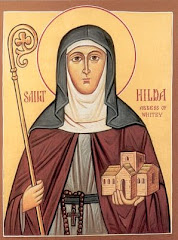
At 6:00 p.m., services for the Bishop-General will be held in Atlanta at St. Hilda’s Anglican Catholic Church.
The service will be conducted in the style of the Church in 1864 when Bishop Polk was living.
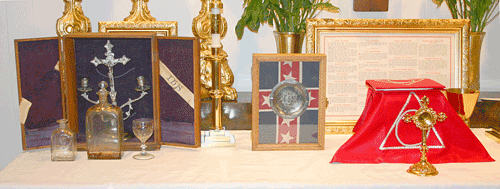
Relics of the Bishop-General are at St. Hilda’s.
If you use a GPS, the address for St. Hilda’s is: 414 No. Highland Ave. NE, Atlanta, Georgia 30307, which is about two miles east of downtown Atlanta.
To reach the Church by automobile:
From the North or South, take Interstate 75/85 to exit 248C, Freedom Parkway. Follow the signs to the Carter Center. Take the first exit on Freedom Parkway after passing the "Peace" mosaic bridge. Passing the Carter Center on your left, take a right on N. Highland Ave. at the next traffic light. Church is two blocks down on the right at the corner of N. Highland Ave. and Washita Ave.
From the East or West, take Interstate 20 to the Moreland Avenue North exit, following Moreland Avenue north approximately two miles to Freedom Parkway. Turn left on Freedom Parkway, then turn left on N. Highland Ave. Church is two blocks down on the right, corner of N. Highland Ave. and Washita Ave.
To reach the Church by MARTA:
Atlanta has a mass transit system which serves the Church. Catch a MARTA (Metropolitan Atlanta Rapid Transit Authority) train to the "Five Points" station. At Five Points, catch a "16 Noble" bus to the Carter Library. Church is just south of the bus stop, away from the Carter Center, down Washita Ave., only one block.
Period dress encouraged at both events.
Martin K. O'Toole
Lt. General Leonidas Polk Camp #1446
Smyrna, Georgia
Friday, May 06, 2011
Syrian Christians Attacked, Threatened by Anti-Government Protesters

Christian communities throughout Syria have been attacked by anti-government protesters led by hard-line Islamists in recent weeks. Christians have also been pressured to either join protests demanding the resignation of President Bashir Assad or else flee the county.
With the mass immigration of Christians from the Middle East, notably from Iraq, Lebanon, and the Palestinian territories, Islamic groups are now threatening to drive Christians out of Syria.
Last week in Duma, a suburb of Damascus, protesters chanted, “Alawites to the grave and Christians to Beirut!” according to an source and Tayyar.org, a Lebanese news agency. Christians in Syria are concerned that the agenda of many hard-line Islamists in Syria, including the Salafists, is to take over the government and kick Christians out of the country. “If Muslim Salafis gain political influence, they will make sure that there will be no trace of Christianity in Syria,” a Syrian Christian leader said.
In a Christian village outside of Dara’a, in southern Syria, eye witnesses reported that twenty masked men on motorcycles opened fire on a Christian home while shouting malicious remarks against Christians in the street. According to another source in Syria, churches received threatening letters during the Easter holidays telling them to join the anti-government protests or leave.
In Karak, a village near Dara’a, Salafists forced villagers to join the anti-government protests and remove photos of President Bashir from their homes. Witnesses reported that a young man who refused to remove a photo was found hanged on his front porch the next morning.
“People want to go out and peacefully ask for certain changes, but Muslim Salafi groups are sneaking in with their goal, which is not to make changes for the betterment of Syria, but to take over the country with their agenda,” said the Syrian Christian leader. “We want to improve life and rights in Syria under this president, but we do not want terrorism. Christians will be first to pay the price of terrorism.”
Aidan Clay, ICC Regional Manager for the Middle East, said, “Unlike in Egypt, where Christians predominantly supported the revolution that removed President Hosni Mubarak from power, Syrian Christians have not participated in protests, anticipating that chaos and bloodshed will follow if radical Islam takes hold of the country. Throughout the Middle East, Christians have been fleeing their homeland in unprecedented numbers. Now, in a country where Christians have historically taken refuge from nearby purges in places like Turkey a century ago and Iraq in recent years, Islamists are threatening their existence.
This dispatch comes to us via Intercessors Network.
Saturday, April 16, 2011
PRAY FOR THESE PERSECUTED CHRISTIANS

The account below was sent directly to me by Fr. Andrew. I have not edited it in any way so as to give you Father's account from his own lips. This is a very serious situation that demands our prayers for these poor people. That they have fled to one of our churches for refuge makes it very personal for me. I hope that you will take it personally too, as these fanatics are persecuting Christ Himself by attacking His Body, the Church.
Blasphemy case in Gujranwala- Mushtaq Gill & son arrested
Gujranwala: April 16, 2011, (PCTV Newsdesk)
Illustration: Church of the Holy Apostles
Farrukh Mushtaq Gill and his father Mushtaq Gill, have been arrested
for Blasphemy friday evening from their residence in Gujaranwala.
Farrukh is being charged with burning a Quran. The father of the
accused Mushtaq Gill, is an Elder of Presbyterian Church and a teacher
at the Christian Technical Training Center in Guranjawala. Farrukh is
employed at National Bank of Pakistan. This incident reports back to
2-3 months ago when someone charged Farrukh with desecrating the Quran
however the Police did not proceed with the case. Yesterday in a
preplanned move a mob consisting of several clerics and locals
pressured the police to arrest both the father and the son, seeing the
present situation the police had no other option but to arrest the two
men to control and please the mob, Police then assigned several
officers in front of Gill's residence and on the roof-top as well to
avoid any attacks. Christians residing in Gulzar Colony had moved to
their relatives or friends houses in fear of being targeted by angry
mobs.
;;;;;;;;;;;;;;;;;;;;;;;;
Note:
My brothers -in-law with their family members have come to us.
Please pray for the safety of Christians lives and their belongings and houses.
in <><
Fr. Andrew
--
*The Archdeacon Fr. Mushtaq Andrew
Diocese of Lahore
Church of Pakistan CIPBC
2 Province of Anglican Catholic Church
www.wix.com/archdeacon/ad*
Saturday, February 12, 2011
Ethiopia: Persecution escalates in Muslim areas

- a call to pray for the church in Ethiopia, Photo: Two Ethiopian Orthodox bishops and a priest await transportation back to their cathedral after a church visitation.
Story from International Christian Concern
By Elizabeth Kendal
The simplistic portrayals of Ethiopia as 'Orthodox Christian' or 'a Christian island surrounded by hostile Muslim neighbours' are misleading. These descriptions ignore the reality that Ethiopia is the legacy of a Christian empire that incorporated many diverse peoples. The Tigray-dominated north and the Amhara-dominated central highlands comprise the Christian heartland. These two Semitic tribes together comprise 45 percent of the population and most of the elite. The periphery is highly diverse and includes many animist and Muslim peoples. Unity is fragile and divisive forces are strong.
Before the Communist Revolution of 1974, Ethiopia was an Amhara-dominated kingdom. After Mengistu's Marxist regime fell in 1991, the new Tigray-led government federalised the state, controversially devolving power to nine autonomous, ethnic regions (just as Tito did in Yugoslavia and as has recently been done in Kenya). By enabling a degree of self-determination, ethnic federalism was supposed to prevent Amhara domination, end cultural conflict and diminish centrifulgal forces. In reality (as in Yugoslavia) it has had the opposite effect: it has weakened the state while magnifying ethnic differences and interests. The largest ethnic group, the Omoro (about equal Muslim / Christian), complain of Tigrayan domination and want to secede. In September 2009 the International Crisis Group lamented that the international community was neglecting 'the increased ethnic awareness and tensions created by the regionalisation policy and their potentially explosive consequences'.
Ethiopia's Constitution (adopted in December 1994) states: ' The Constitution is the supreme law of the land. Any law, customary practice or a decision of an organ of state or a public official which contravenes this Constitution shall be of no effect' (Article 9.1). Complicating ethnic tensions is the trend of rising Islamic intolerance. According to the Ethiopian Islamic Affairs Supreme Council, Saudi-funded entities are exacerbating tensions between traditional Sufis and new Wahhabis, as well as between Muslims and Christians. In recent years Christians living in Muslim-dominated areas have been subjected to escalating persecution and application of Sharia law. To maintain 'harmony' and to appease restive Muslims, the Federal Government made religious incitement and religious defamation criminal offences in 2008. While Article 27 of the Federal Constitution guarantees 'Freedom of Religion, Belief and Opinion' it also provides that religious freedom may be limited by law in the interests of public safety.
In August 2010 Tamirat Woldego rgis (early 30s and father of two), a Protestant Christian in Ethiopia's southern town of Moyale, Oromia region, was arrested after a Muslim co-worker accused him of inscribing 'Jesus is Lord' on a cloth. The accuser changed his statement several times before the local imam testified that Woldegorgis had written the offensive words on a Quran. Despite the absence of evidence, Woldegorgis was sentenced on 18 November 2010 to three years in prison for allegedly defiling a Quran. He was then transferred to Jijiga Prison in Ethiopia's Somali Region Zone Five which is governed according to Sharia. Consequently his life is greatly imperilled. Two friends who recently brought him food were fined for supporting a criminal imprisoned for defaming Islam. Authorities have reportedly offered to release Woldegorgis if he will convert to Islam (Compass Direct News, 29 November 2010).
International Christian Concern (ICC) has reported several violent attacks on Christian leaders in recent months. Of great concern is the report that harasse d and persecuted Christians in the southern city of Besheno, Oromia region, have recently had notices posted on their doors warning them to convert to Islam, leave the city or face death. According to ICC, three leading Christians from an evangelical Christian community of about 30 believers have been forced to flee and two have been forcibly converted to Islam.
Intolerant, repressive, fundamentalist Islam is spreading, exerting itself and testing the limits in Ethiopia's autonomous ethnic regions. Are minority Christian groups in restive Muslim-dominated areas going to be protected according to the Federal Constitution, or will they be sacrificed on the altar of political expediency, stripped of their constitutional rights and handed over to the dictators of Islam in exchange for promises of 'harmony' and national unity?
PLEASE PRAY SPECIFICALLY THAT GOD WILL:
protect Tamirat Woldegorgis and deliver him safely back to his family; may the family all know the sustaining presence o f the Lord, their provider.
protect the Christians living in restive Oromia and Islamic Somali, particularly the persecuted and threatened Christians in Besheno.
grant Christian leaders great wisdom to know how to be 'wise as serpents and innocent as doves' (Matthew 10:16 ESV).
give the Federal Government much wisdom, strength and courage to tackle the issue of constitutional rights and the supremacy of the Federal Constitution over regional Islamic courts.
Please pray for Ethiopia, a state of immense geo-strategic value in the Horn of Africa.
Subscribe to:
Posts (Atom)